Butterfly Treats: How to Start Native Seeds
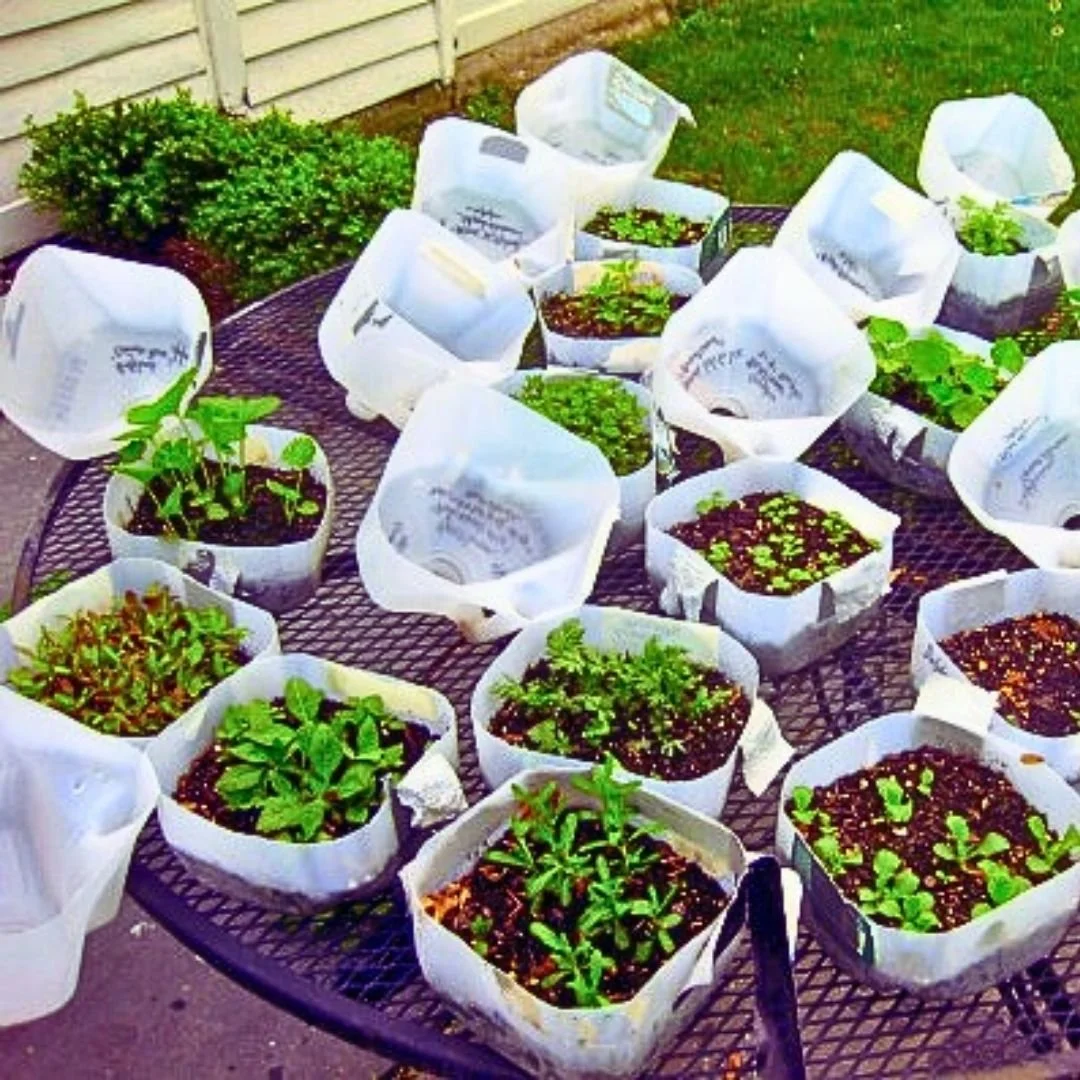
Cold Stratification, or exposure to cold temperatures, is required by many native seeds. As in nature, winter cold followed by warm spring signals to seeds that it’s time to shed its hard shell and start the germination process.
🦋 Butterfly Treats 🌱
Grow a butterfly garden from seed — or share them with birds!
🌸 Start seeds in the winter & plant them in spring — or let the birds feast this winter; they’ll scatter the seeds around your neighborhood.
Get the family-friendly planting instructions here.
🦋 Dulces para mariposas 🌱
Cultiva un jardín de mariposas con semillas — ¡o compártelas con las aves!
🌸 Siembra semillas durante el invierno y plántalas en primavera — o deja que las aves se den un festín este invierno; ellas dispersarán las semillas por tu vecindario.
Obtén aquí las instrucciones de siembra para toda la familia.
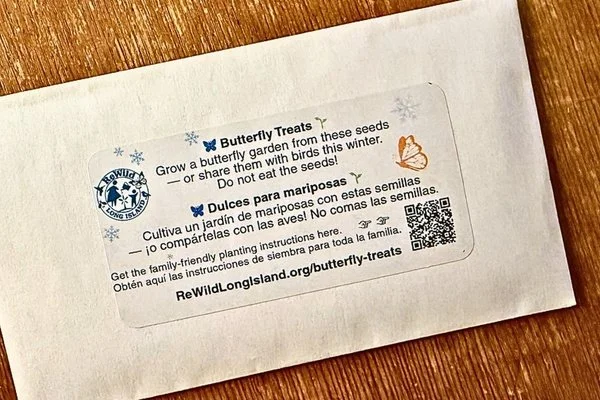
* If you received a “Butterfly Treats” seed packet in the Hamptons, the seed mix is from Living Lands and the seeds are all native to the Northeast US:
Liatris spicata (Blazing star)
Rudbeckia hirta (Black-eyed susan)
Echinacea purpurea (Purple coneflower)
Helianthus annuus (Sunflower)
Schizachyrium scoparium (Little Bluestem)
Elymus virginicus (Virginia Wild Rye)
Chamaecrista fasciculata (Partridge Pea)
Find Native seeds online
Here are a few seed sources, if you can’t collect locally:
Living Lands *
Prairie Moon Nursery - codes with germination
Sheffield Seed
More info:
Wild Seed Project
Grow It Build It
Family-friendly guide to collecting and starting native seeds
Get the family-friendly guide to saving and sprouting native seeds. The workshop video will be available shortly. This is an easy and inexpensive way to start or expand your own pollinator garden. Includes resources for purchasing seeds if you can’t collect seeds nearby.
Download the pdf in English & en Español
This guide is compiled from information generously provided by the following experts (any mistakes are mine, not theirs’)
Catherine Halpern: How to Start Native Seeds Indoors > Watch the video and read Catherine’s blog
Corn Schmid • Maggie Muzzante / LINPI • Dan Tyska / Tyska Native Plants
Blogs
Collecting & Using Native Plant Seeds: Blog featuring Butterfly Weed and other milkweeds, Monarda (Bee balm), and Agastache Foeniculum (Anise Hyssop)
My Low Tech Process for Germinating & Growing Native Perennials
🌱 Why Native Plants Matter
Native plants are plants that have grown on Long Island forever — long before lawns, roads, or houses were here. And they do a lot more than just look nice.
🐝 They Help Wildlife Survive
Butterflies, bees, birds, and other animals grew up alongside native plants. They depend on them for food, shelter, and places to raise their young.
Many non-native plants might look pretty, but they don’t actually feed local wildlife.
No native plants = no pollinators = fewer birds and less food for everyone.
💧 They’re Built for Long Island
Native plants are already adapted to our sandy soil, salty air, and changing weather. That means:
Less watering
No chemical fertilizers
Fewer pesticides
They’re tough, low-maintenance, and don’t need much help to thrive.
🌎 They Protect Our Water and Soil
Native plants have deep roots that:
Soak up rainwater
Reduce flooding and runoff
Keep pollution out of our bays and groundwater
Healthy plants = cleaner water for people and wildlife.
🌼 They Boost Biodiversity
When you plant natives, you don’t just get one plant — you get an entire mini-ecosystem.
More plants → more insects → more birds → healthier nature overall.
Even small gardens, schoolyards, or curbside plantings can make a big difference.
💚 They Help Fight Climate Change
Native plants store carbon, cool the air, and don’t rely on gas-powered lawn equipment or chemicals. That makes them part of the solution, not the problem.
🌱 Rewilding Is About Bringing Nature Back
ReWild believes our yards, schools, and public spaces can do more than just sit there.
By planting native plants, we turn everyday spaces into places that support life — for wildlife and for people.
You don’t need acres of land. Every native plant counts.