

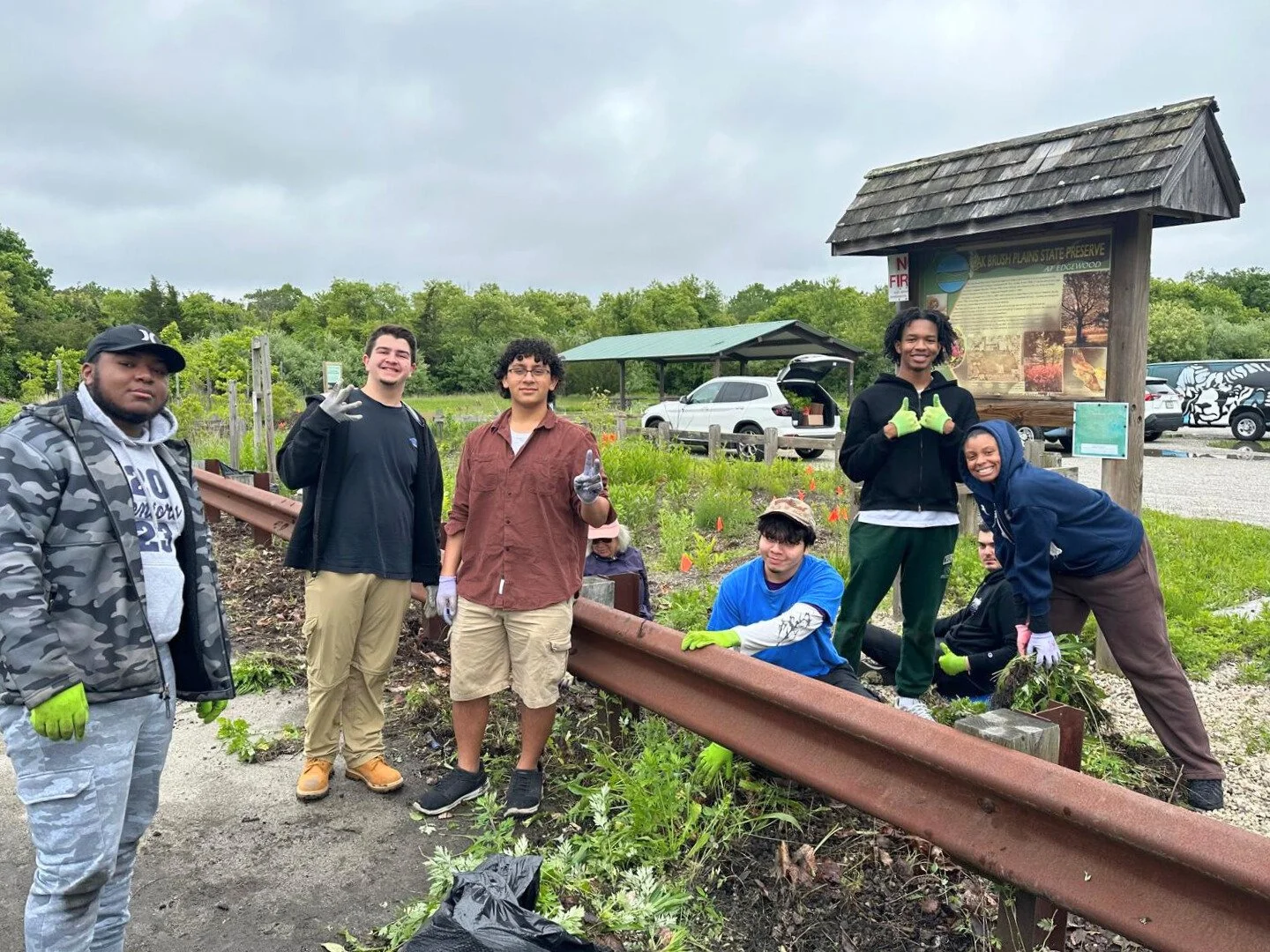
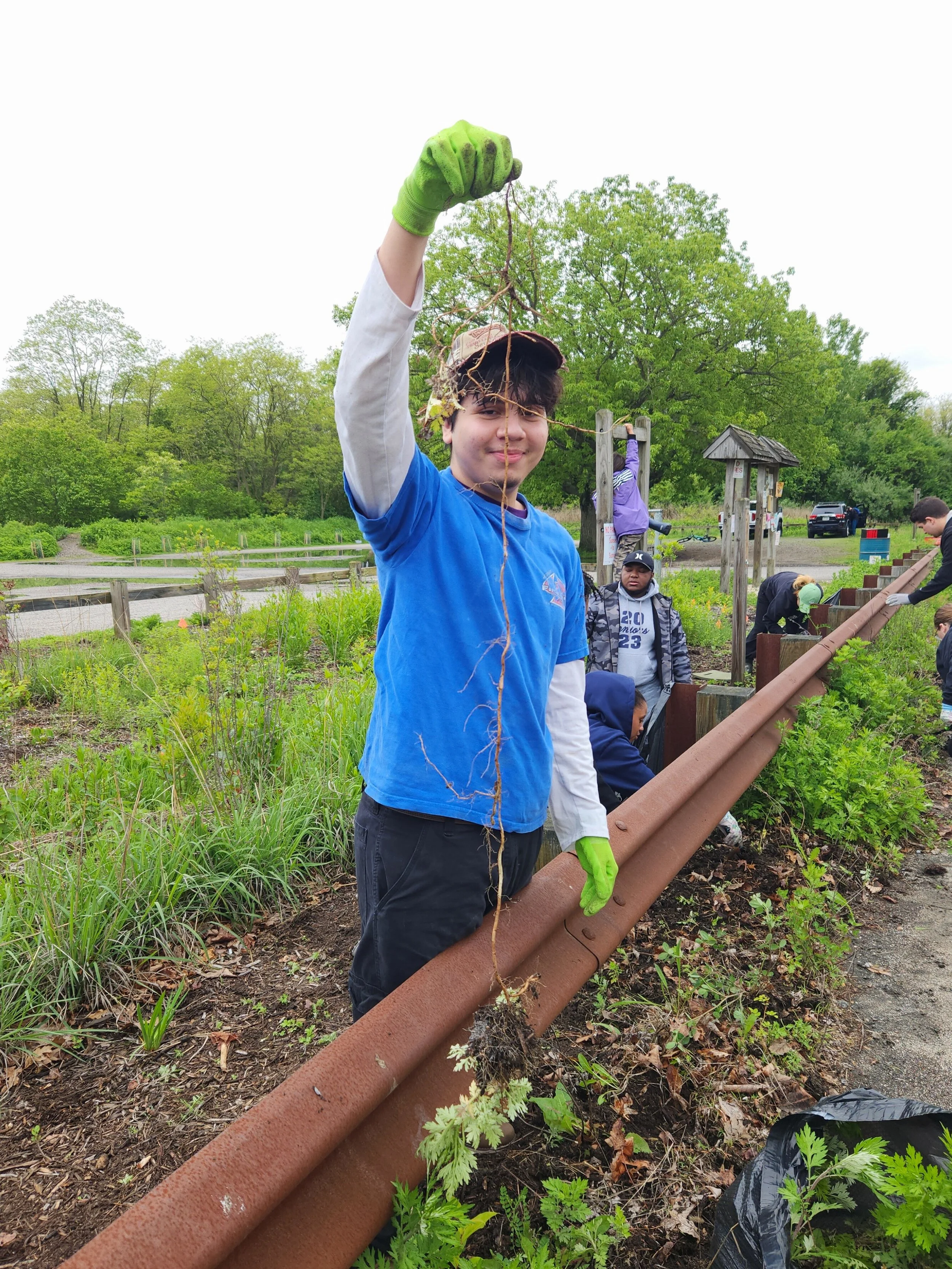
Edgewood Oak Brush Plains Preserve—an 813-acre gem that is truly special. It’s home to the largest stretch of pitch pine–scrub oak barrens on Long Island—and the second largest in all of New York State. This rare, globally unique habitat features dense thickets and open meadows, creating a perfect sanctuary for nature to thrive.
Edgewood isn’t just beautiful, it’s ecologically vital. The preserve supports an incredible range of wildlife, from migrating birds and red foxes to rare species like the Coastal Barrens Buckmoth. It also plays a critical role in protecting our environment, sitting atop a Special Groundwater Protection Area that helps safeguard the drinking water for Nassau and Suffolk Counties.
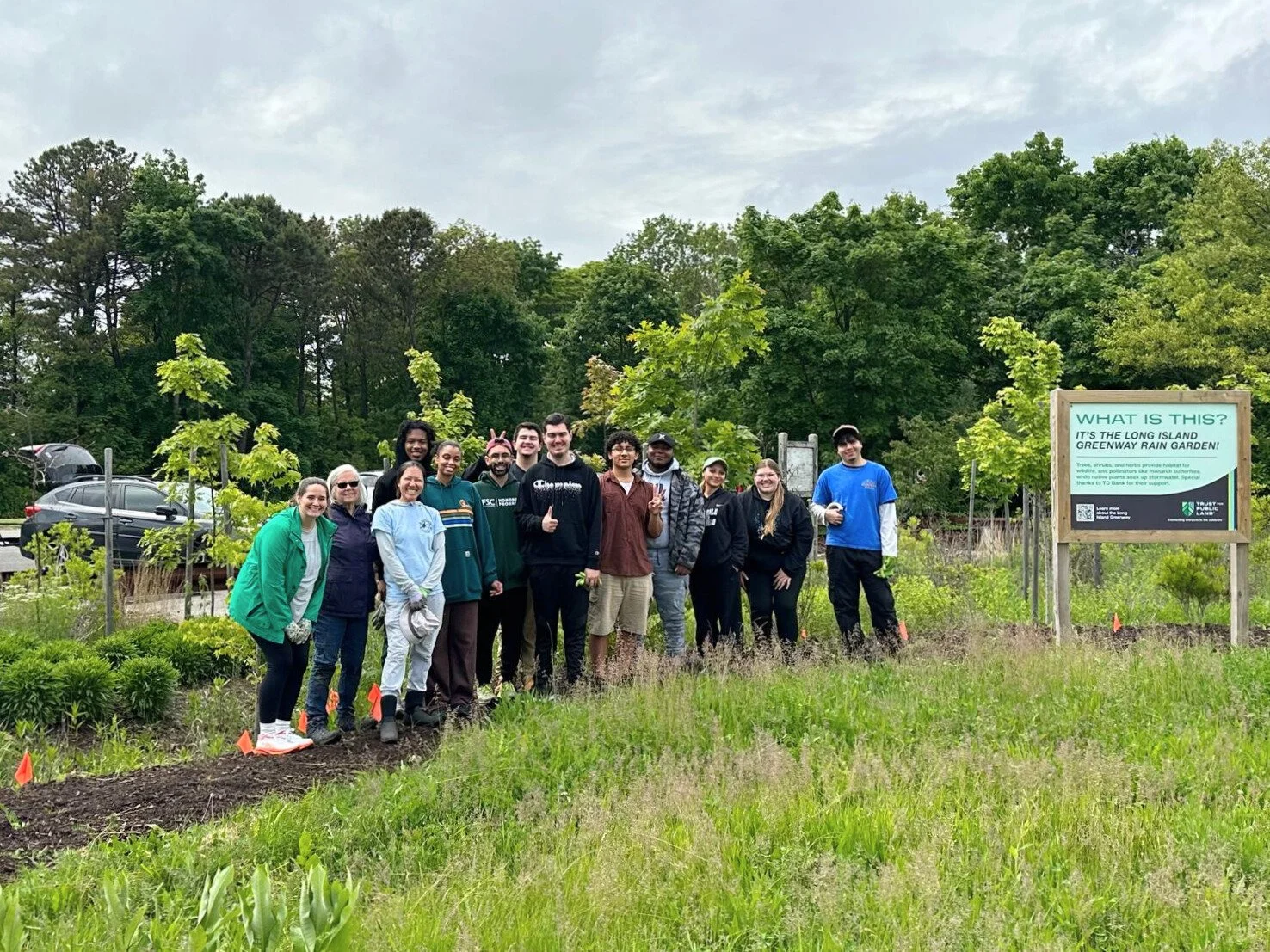
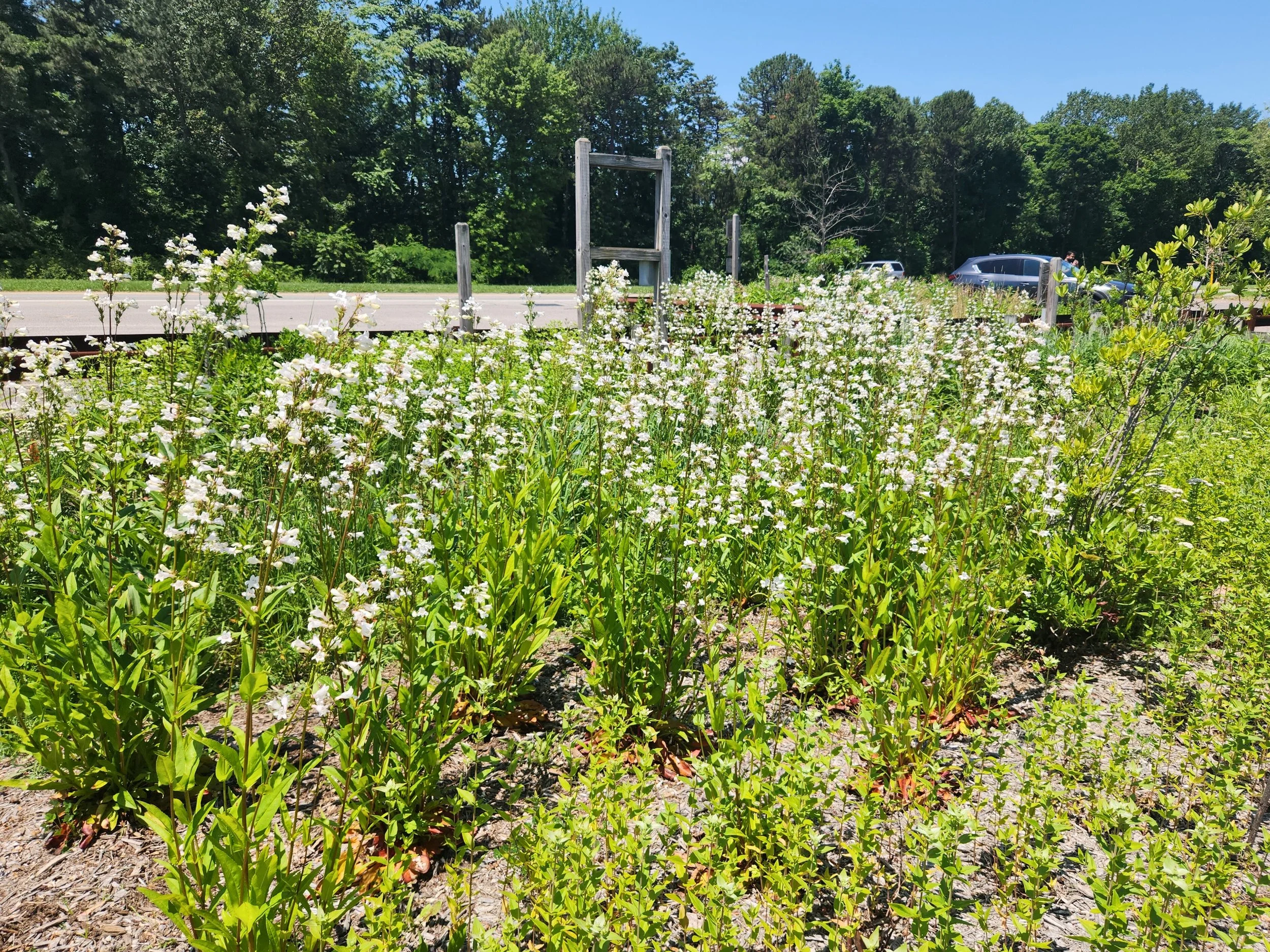
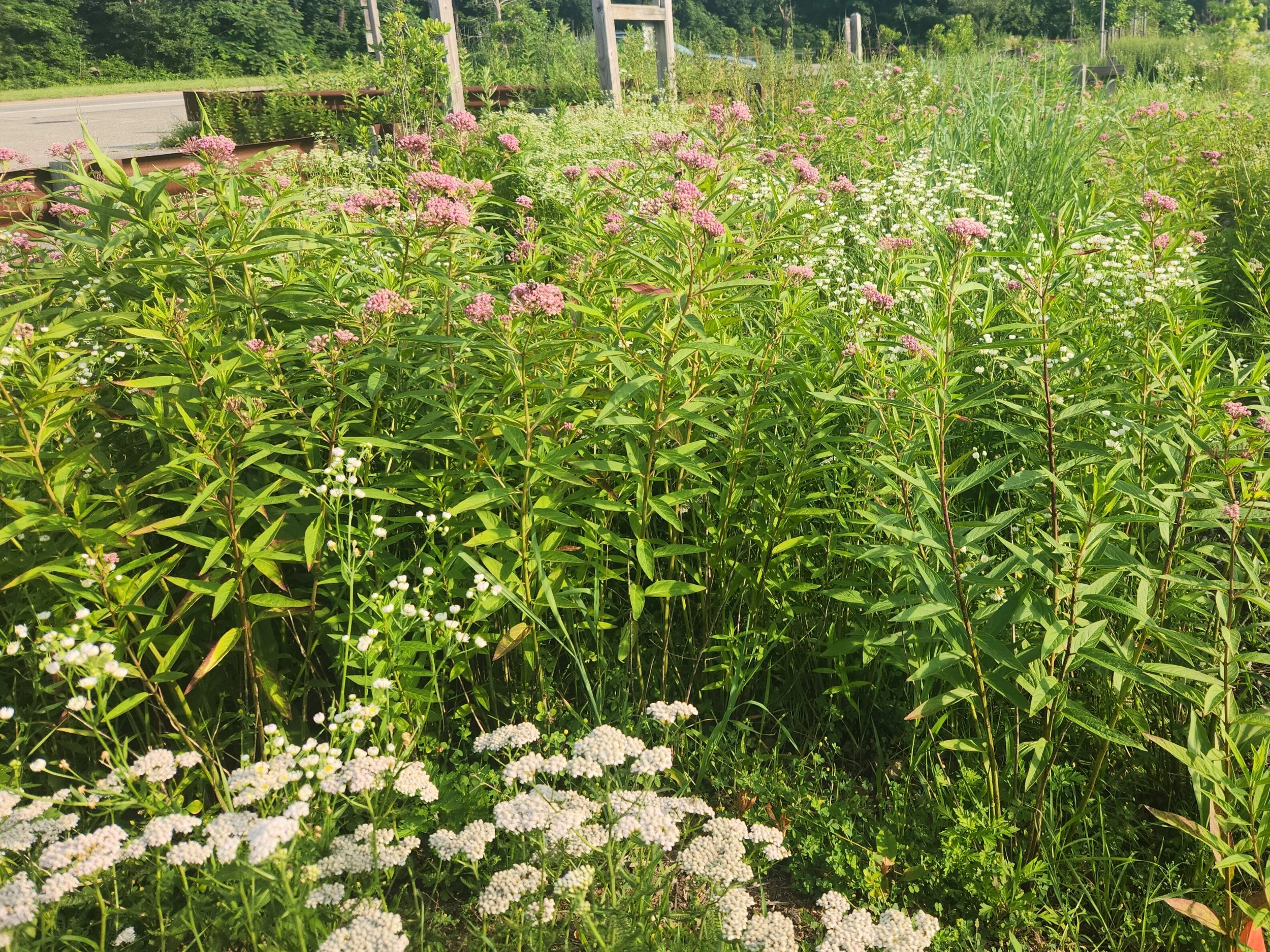
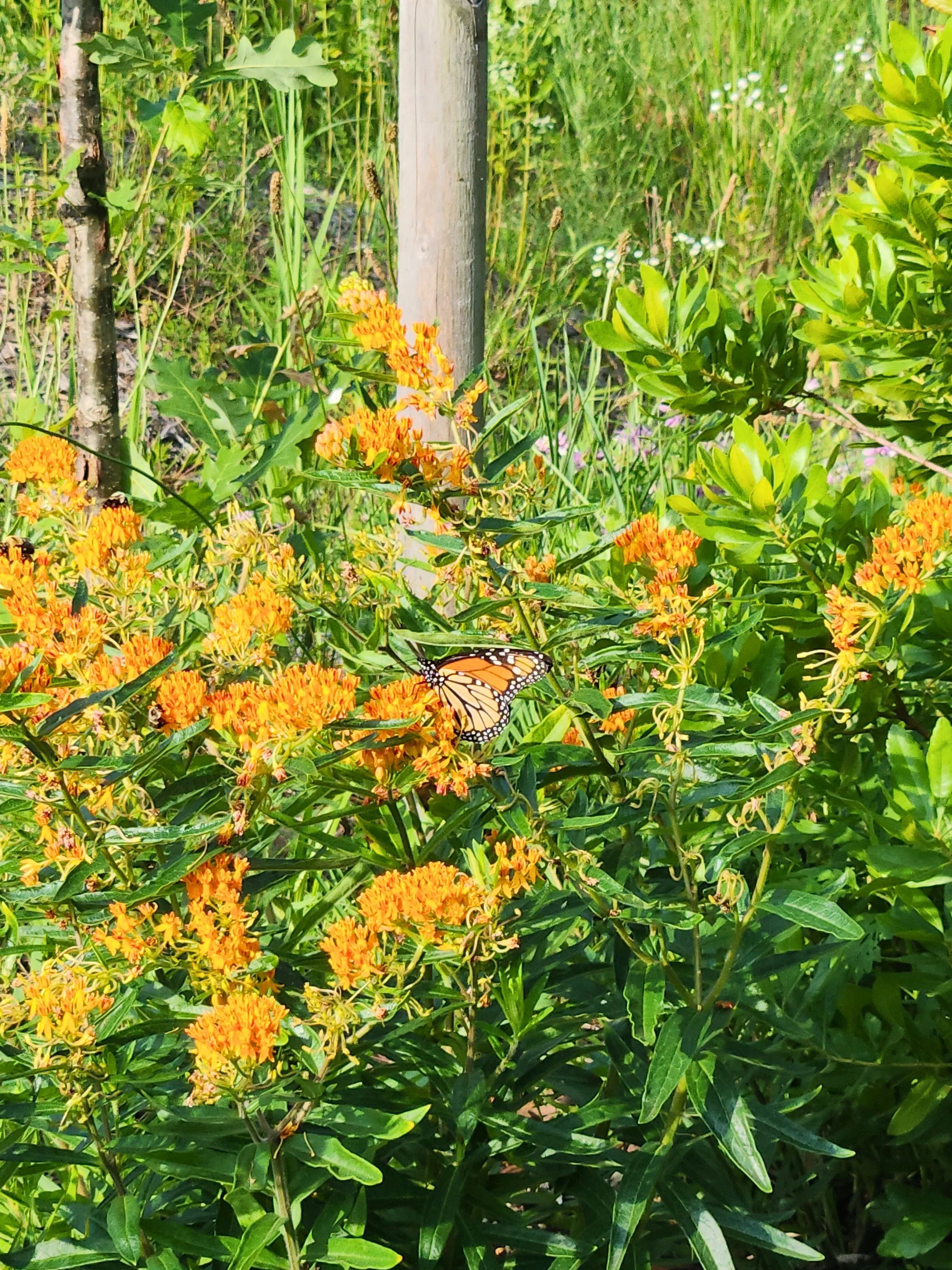
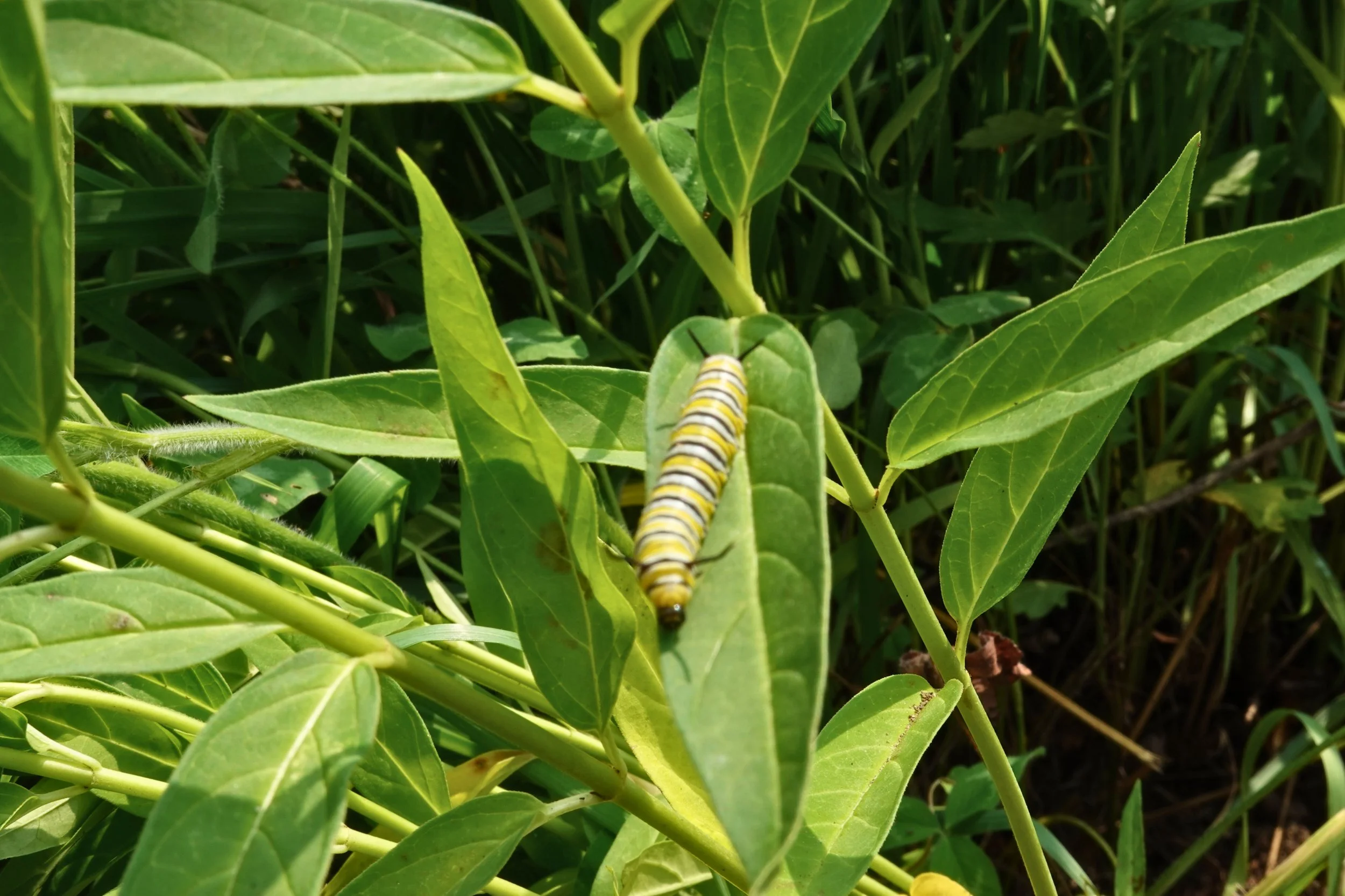
This isn’t just any garden. It’s a crucial part of the ecosystem, filtering runoff, supporting native plants, and providing essential habitat for monarch butterflies and local pollinators.
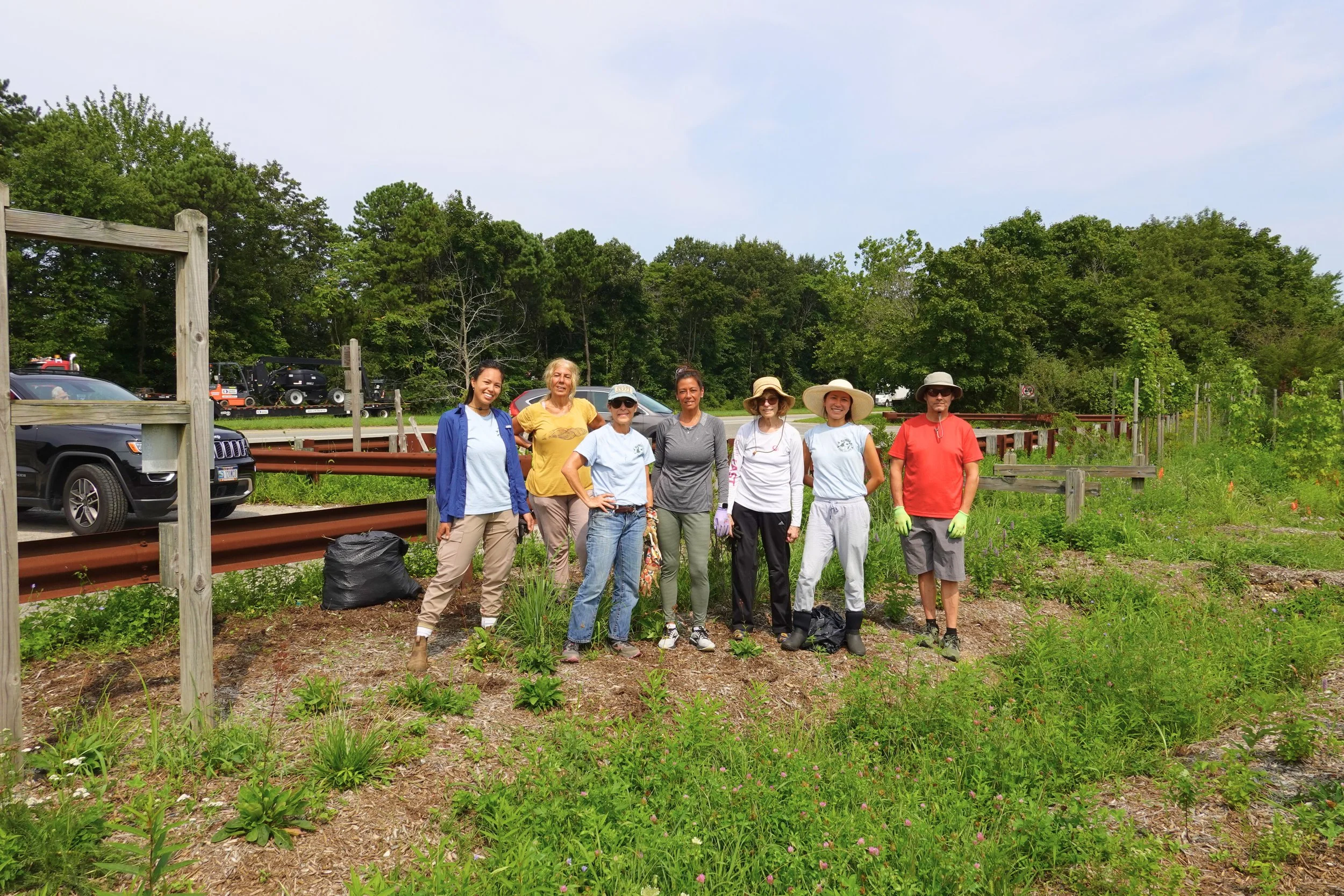
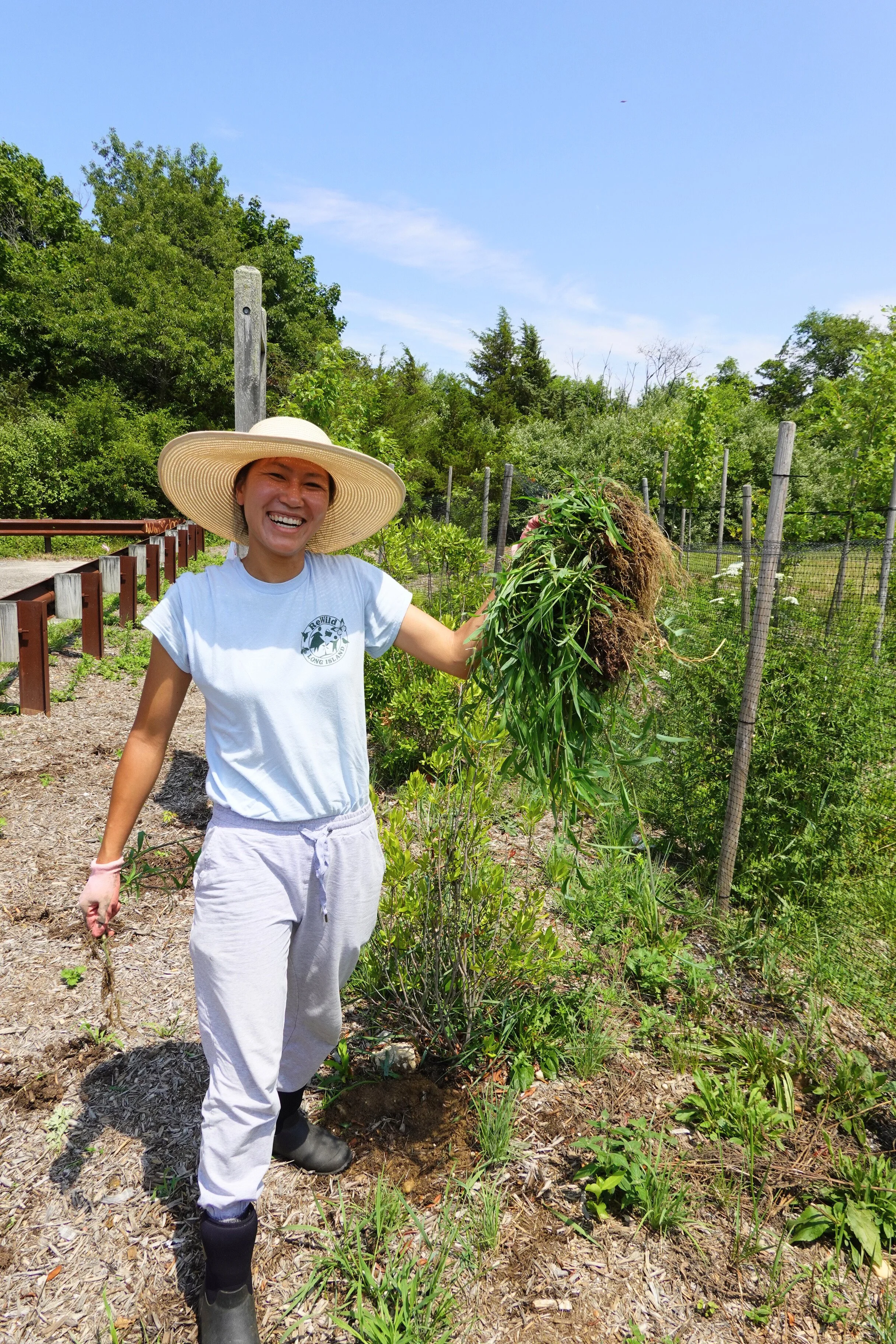
ReWild is supporting the ongoing stewardship of the garden and is looking for community engagement with the approval from DEC.
Join our maintenance days during April through October. All ReWild event details are listed: www.rewildlongisland.org/events
We meet every other Saturday, from 9 - 11 am
For group volunteering events at this garden, email us at WestSuffolk-Leads@ReWildLongIsland.org.
VIsiting the garden outside our maintenance days
We invite you to explore the garden to discover the native species, as well as identify the common weeds we battle at Edgewood Preserve. Please follow our monthly task outline using the weed identification guide to learn more about invasive plant species management. Once properly IDed, please discard the weeds in the trash bin. All the outside help is welcome!
Monthly Task Outline
-
Mulch along the garden borders and maintain garden edges.
Weeds to remove:
Mugwort (Artemisia vulgaris)
Narrow leaf plantain (Plantago lanceolata)
-
Weeds to remove:
Mugwort (Artemisia vulgaris)
Narrow-leaf plantain removal (Plantago lanceolata)
Chicory (Cichorium intybus)
Purple crown vetch (Securigera varia)
-
Weeds to remove:
Mugwort (Artemisia vulgaris)
Narrow-leaf plantain removal (Plantago lanceolata)
Chicory (Cichorium intybus)
Purple crown vetch (Securigera varia)
Sulfur cinquefoil (Potentilla recta)
Yellow sweet clover (Melilotus officinalis)
-
Weeds to remove:
Multiflora rose (Rosa multiflora) seedlings.
Mile-a-minute (Persicaria perfoliata)
Porcelain berry (Ampelopsis glandulosa)
Common St. John’s wort (Hypericum perforatum)
Autumn olive (Eleagnus umbellatus)
Purple crown vetch (Securigera varia)
Spotted knapweed (Centaurea stoebe)
Purple loosestrife (Lythrum salicaria)
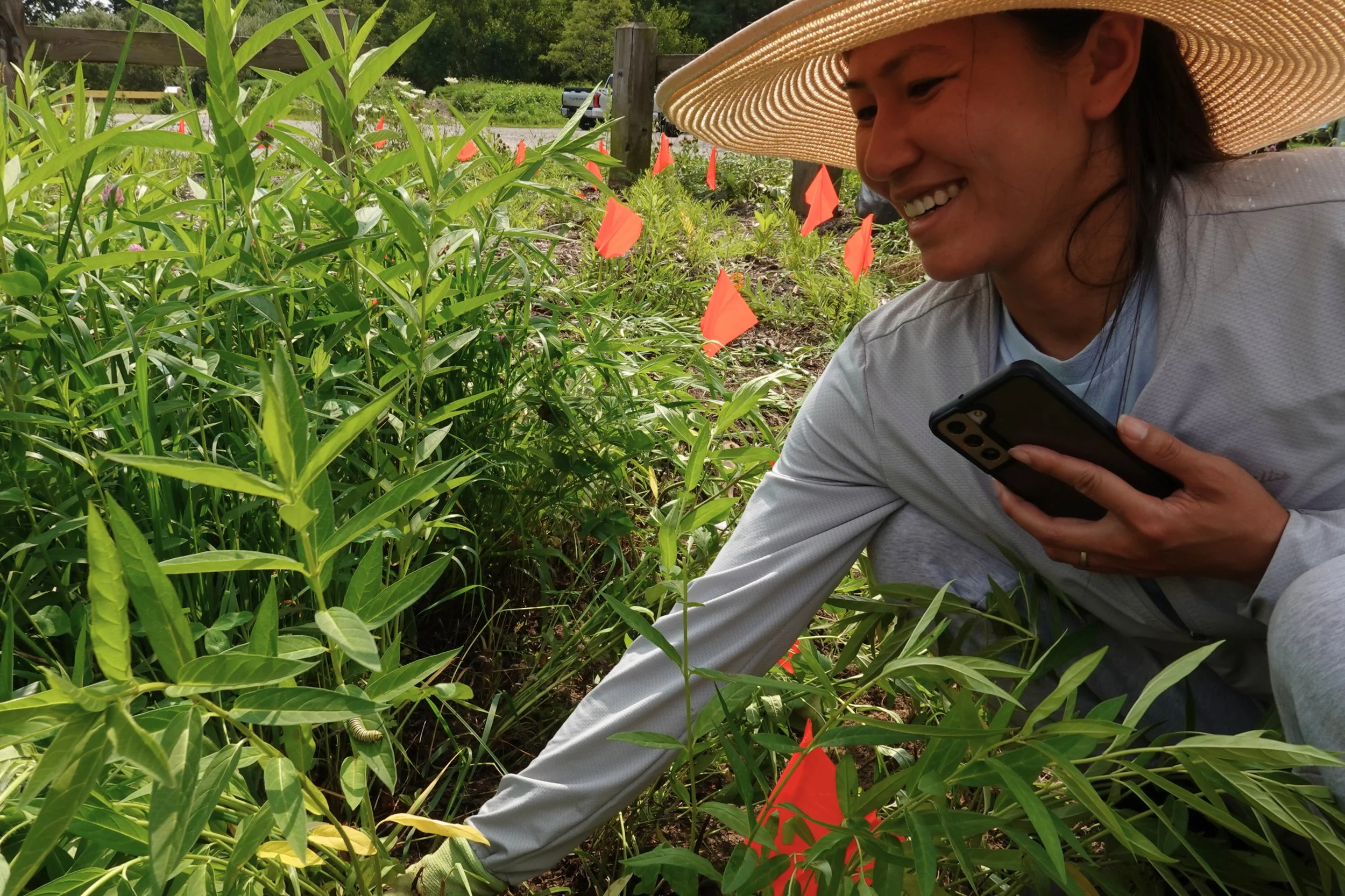
Note: Please watch for monarch caterpillars in the garden.
-
Weeds to remove:
Mugwort (Artemisia vulgaris)
Crabgrass (Digitaria spp.)
Yellow foxtail (Setaria pumila)
Purple loosestrife (Lythrum salicaria)
Note: Please watch for monarch caterpillars in the garden.
-
Remove seedheads of the following weeds:
Yellow foxtail (Setaria pumila)
Queen Anne’s Lace (Daucus carota)
Other annual weeds
Note: please watch for monarch chrysalis in the garden.
-
Remove seedheads from the following weeds:
Yellow foxtail (Setaria pumila)
Queen Anne’s Lace (Daucus carota)
Other annual weeds
Pull mugwort (Artemisia vulgaris), especially in spots where it is threatening to encroach back into the garden.
Trim back branches of autumn olive (Eleagnus umbellata) that are coming into the far end of the garden.