ReWild’s Residential Garden
Design Workshop
get notified when enrollment opens
design like a pro and welcome pollinators to your yard!
ReWild Long Island is offering an online native garden design workshop to develop a sustainable garden design for your own yard.
You’ll learn how to assess your site, dive into the world of native plants, create sustainable gardens, invite wildlife into your landscape, and develop your design skills. Professional landscape designers and native plant experts will guide you through the process from initial design to your final presentation.
workshop details
This workshop is offered seasonally online via Zoom, for residential landscapes. The workshop is hosted once a week, with 4 two-hour sessions over the course of 4 weeks.
The first three sessions are interactive lectures, and the final session is dedicated to presentation of designs. We will also offer two weeks of office hours for participants to meet one-on-one with our team for feedback.
The workshop is limited to 30 spots so you’ll receive individualized attention, with personalized suggestions that you can readily apply in your garden.
Pricing and Availability
Home Gardeners: $250 per household, limited to 30 registrants.
Our value at a glance:
8.5 hours of instruction.
Small classes for personalized attention.
Office hours for one-on-one feedback.
Dynamic lessons with guest lecturers and hands-on learning.
Your design will become ReWild Certified upon completion of the course, certificate delivered digitally.
Winter 2027 Workshop Schedule
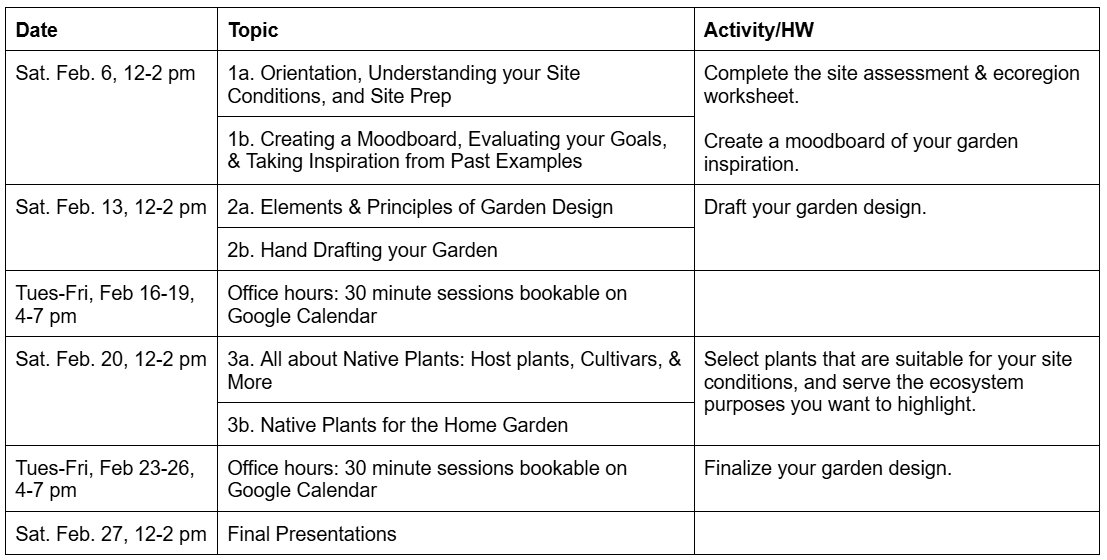
Curriculum
Curriculum overview
1a. Orientation, Understanding your Site Conditions, & Site Prep
We will introduce the structure of this workshop, our rewilding principles, how to acquaint yourself with your site at a basic landscaping level, and how to prepare your site for planting.
Understand the structure and goals of this workshop
Analyze your garden’s site conditions like light, soil type, and existing plants
Identify your garden’s ecoregion and microclimate
Explain the steps you will take to prepare your site for planting
1b. Creating a Moodboard, Evaluating your Goals, & Taking Inspiration from Past Examples
We will demonstrate how to create a moodboard by taking inspiration from various sources, go over the potential services your garden could provide, and walk you through examples of previous projects to get a feel for the design process.
Develop a moodboard to use as inspiration while creating your design
Understand that gardens are ecosystems and identify the services you want yours to provide
Begin thinking through the process of design using examples from previous workshops
2a. Elements & Principles of Garden Design
We will go over the basic building blocks of design and how you can manipulate them to create a design that is aesthetically pleasing, functional, and appropriate to your location. We will also review more examples of garden designs to find inspiration.
Explain how the basic principles of design can be applied to your garden
Assess which styles of garden design are most appealing to you
2b. Hand Drafting your Garden
We will demonstrate how to represent a garden design by hand. We will explain how to draw to-scale, how to create symbols to represent plants, how to properly label your design, and how to add color to your design.
Draw unique symbols to represent plants
Draw your garden site and elements to-scale
Add labels to your garden to call out elements and plants
Show your personal style in your design by adding color or stylizing your symbols
3a. All about Native Plants: Host plants, Cultivars, & More
We will provide an overview of the importance of native plants, introduce the concepts of host plants and keystone species, and discuss the differences between straight species natives and “nativars.”
Explain the importance of relationships between plants and the fauna that rely on them
Understand the difference between native, non-native, & invasive plants
Differentiate between straight species natives, cultivars that retain ecological value, and cultivars that have lost their value to wildlife.
3b. Native Plants for the Home Garden
We will provide an in-depth look at the native plant species best suited to home gardens and different ecological communities, and how to select plants to achieve your gardening goals.
Learn about native plants and combinations of plants for your home garden
Explain the concept of right plant right place - matching plants to your site conditions
Use your soil, light, water levels, and seasonal needs to find plant options in our spreadsheet of native plants
Frequently Asked Questions
-
We welcome you to design with members of your household. Before the workshop begins, you will be asked to list the participants in your group. Participants can join the workshops and help make design decisions. Please keep in mind, you should be working on a single design during the workshop.
-
All sessions will be recorded. Recordings will be shared and available for review.
-
You will need internet access and a screen to participate in workshops (computer, laptop, cell phone, etc.). We will use software including Zoom and Google Workspace.
-
We will focus on hand-drawing techniques to keep the material accessible to all skill levels, but you are welcome to use more advanced software if it is available to you.
Examples of Designs from our Gardens Program Design Workshop
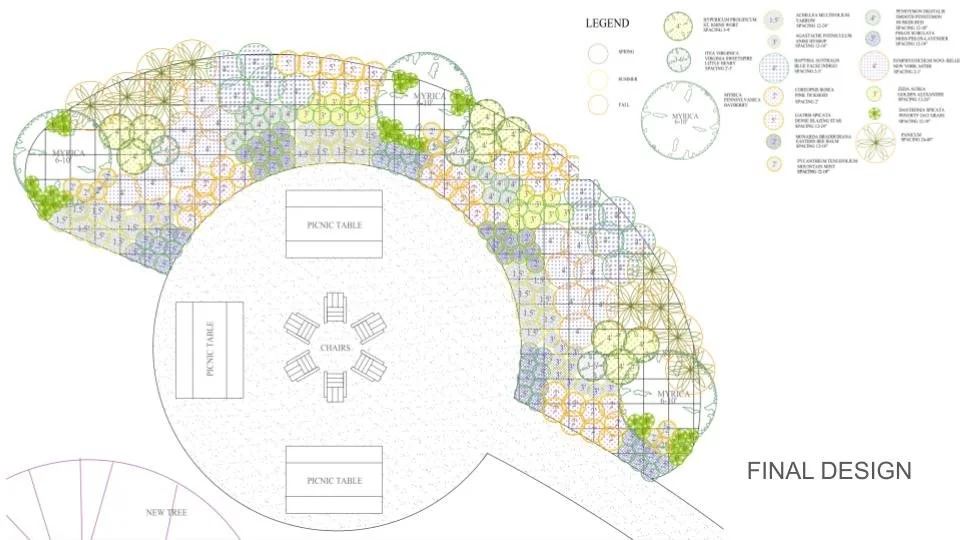
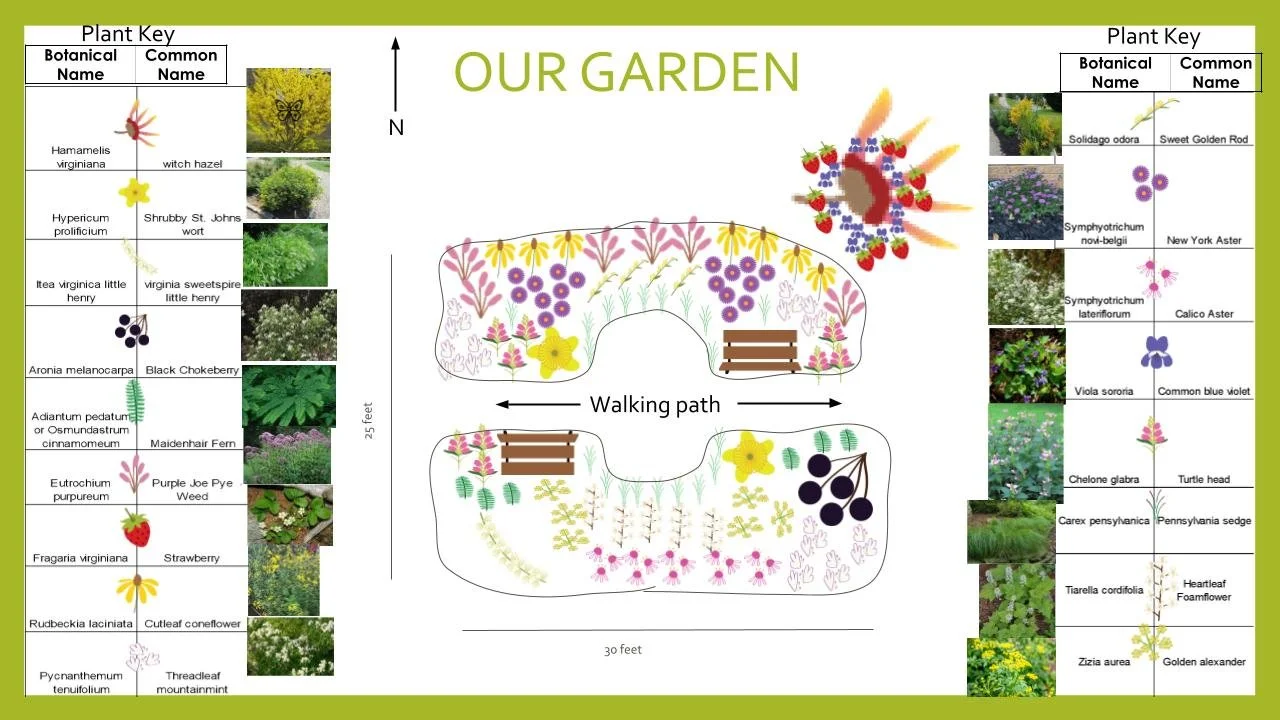
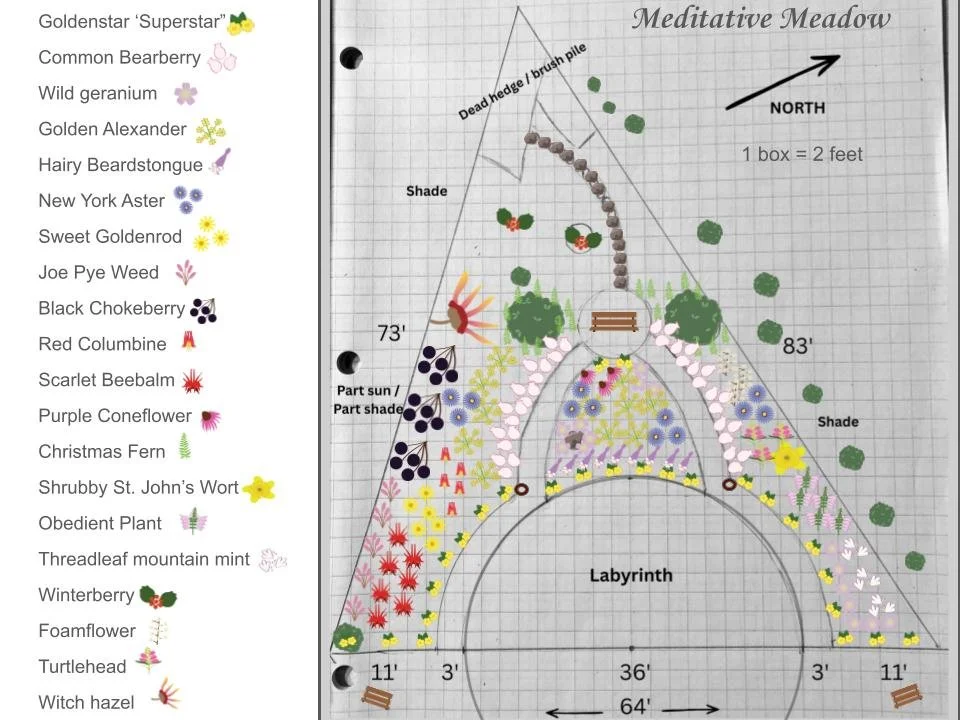
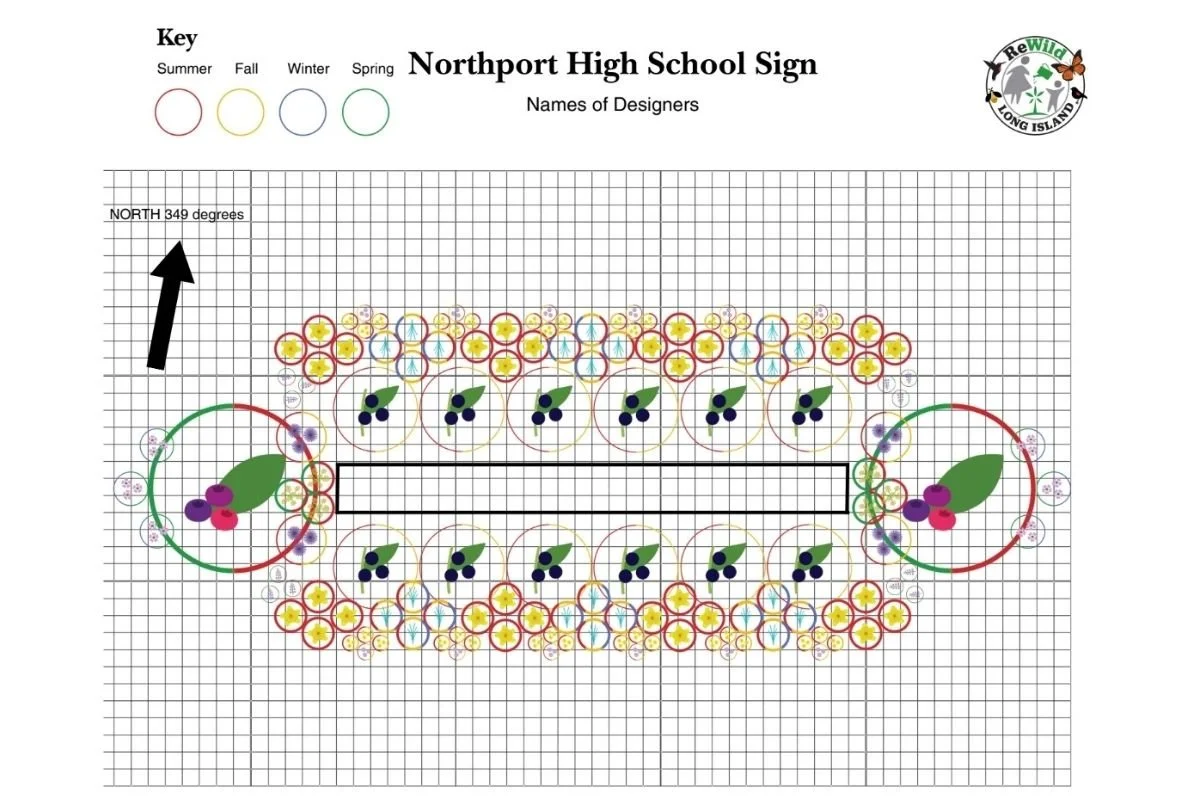
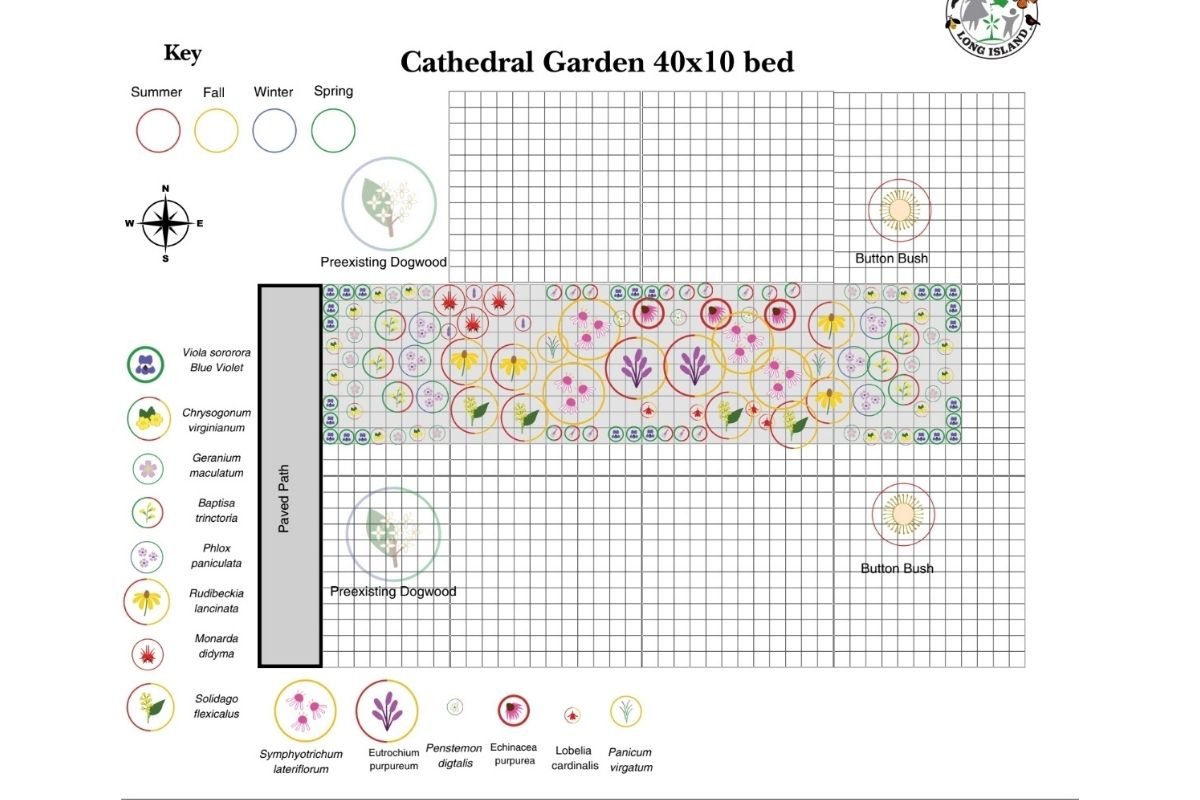
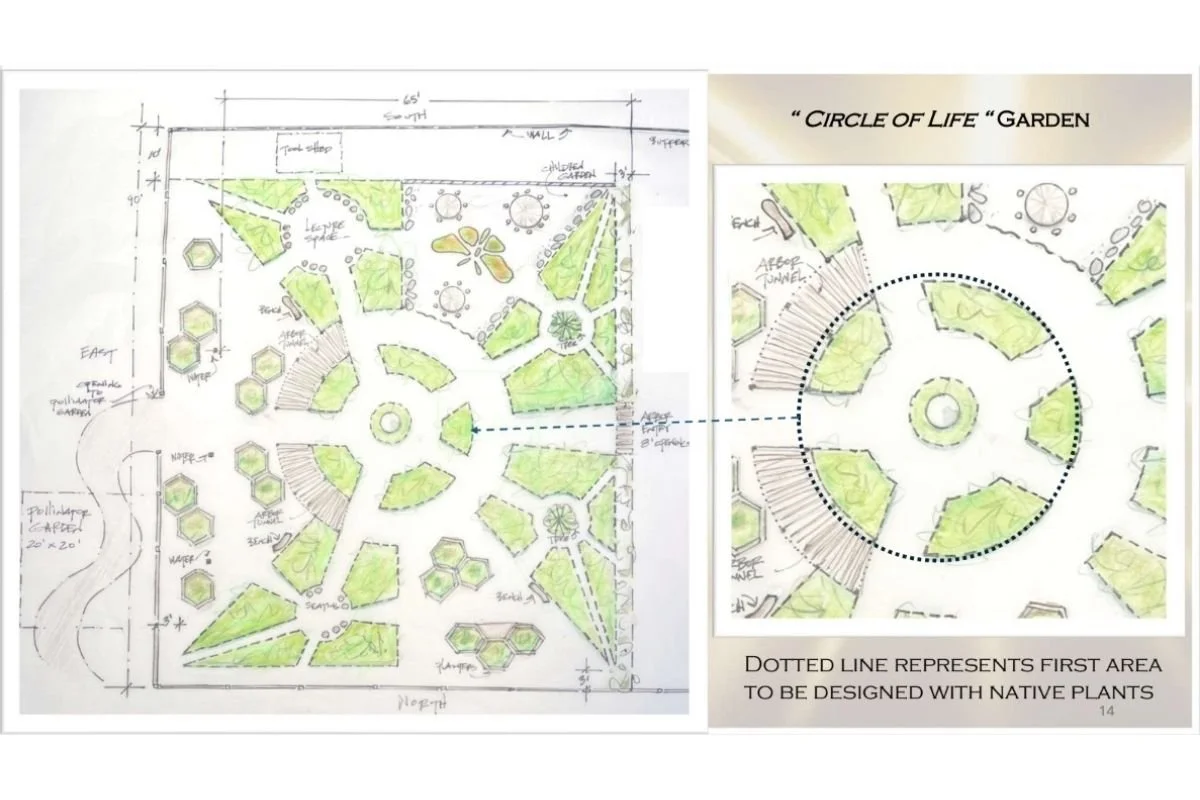
This garden design workshop is based on our ongoing
Sustainable Garden Design Virtual Workshop for Gardens Program awardees.
We continue to offer this virtual workshop as a learning opportunity for Awarded Gardens. Take a look at the thoughtful designs created by the community over the years.
For questions about the ReWild Native Garden Design workshop, please email christine.iasso@rewildlongisland.org.